335
3.0

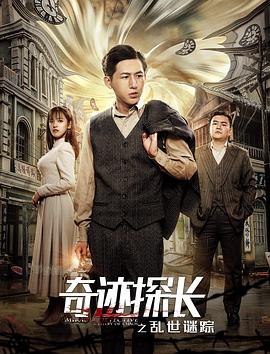
短信

导演:
克里姆·斯彭科
主演:
亚历山大·佩特罗夫,克里斯蒂娜·阿斯姆斯,Ivan Yankovskiy
别名:
未知
3.0
335人评分
其它
语言
2019-10-24
上映时间
未知
片长
简介:
Ilya Goryunov has spent seven years in prison on false charges of drug trafficking. When Ilya is free he realizes that the old life that he yearned for is no more. Although he did not m.77mi.cc intend to take revenge on the man who sent him to prison, now there is no other way out.
TOP GAMES
猜你喜欢
换一换
爱乐风雨情
278
3.0
已完结
爱乐风雨情
3.0
更新时间:06月29日
主演:哥德昂·布克哈德,凯瑟琳·弗莱明,娜塔莉·爱娃隆,米歇尔·门德尔,罗夫·凯尼斯,凯·维辛格,古德伦·朗德格里比,迈克尔·布兰德纳,马克·扎克,英戈·诺约克斯,约翰·弗里德曼,布里吉特·格罗瑟姆,康斯坦丁·威克,Mathias Eysen,伊莫·金伯瑞尔
简介:汉娜(Brigitte Grothum 饰)、阿布拉夏(Elin Kolev 饰)和莱利萨(Imogen Burrell 饰)是三名在音乐方面有着接触天赋的音乐神童,通过音乐,三人建立起了密不可分的友谊。战争在毫无预警的情况下开始了,德军攻陷了乌克兰,这让汉娜的处境变得十分尴尬和危险,在局势最为紧张的时刻,莱利萨说服了自己的家人,收留了汉娜全家,一行人才得以在炮火之中保全。  德军很快就开始了他们烧杀抢掠的行动,无数的家庭财务和乐器被毁于一旦。德军少校热爱音乐,珍惜汉娜的才华,送给了她一把小提琴,愿意栽培她成为人才,然而汉娜并不知道的是,自己已然成为了政治家手上的一枚棋子。
2910
2011
爱乐风雨情
主演:哥德昂·布克哈德,凯瑟琳·弗莱明,娜塔莉·爱娃隆,米歇尔·门德尔,罗夫·凯尼斯,凯·维辛格,古德伦·朗德格里比,迈克尔·布兰德纳,马克·扎克,英戈·诺约克斯,约翰·弗里德曼,布里吉特·格罗瑟姆,康斯坦丁·威克,Mathias Eysen,伊莫·金伯瑞尔
抬头见喜
843
1.0
已完结
抬头见喜
1.0
更新时间:06月29日
主演:王鹤棣,潘斌龙,龚蓓苾,黄小蕾,王迅,蒋易,罗京民,李胤维 ,张雅钦,付航,庄则熙,姜宏波,傅迦,任安妮,田俊虹,马松林,韩彦博,罗辑,大成,小鹏,代古拉,李赫,陈禹昊,韩卓希,魏翔,刘亚津,蒋诗萌,潇潇,牵然熊,敖昕,伍子圣,龚语心,高梓怡,陈哈琳,关博仁,高霂琰,崔宸懿,王戈,小爱,吴小涵,湛佳明,尧洋,王勉,媛梦,于山川,谢亚梅,邱运鹄,何昕霖,叶浏,李宗恒,满舒克,张潮,杨涵斌,王亚军,高可,张百乔,张同学,章博宇,娜吉玛,周宇,李卓尧
简介:影片聚焦于中年危机、家庭责任、老人关爱、子女教育等热门话题,分别讲述了企业职员中年下岗不向命运低头励志创业;大宝闺女反对二宝寄养,与长辈斗智斗勇“赢”回弟弟;外孙利用元宇宙科技让姥爷与已故姥姥再次相逢;幼稚富二代在乡村接受命运改造,结交真情找到人生价值。

900
2023
抬头见喜
主演:王鹤棣,潘斌龙,龚蓓苾,黄小蕾,王迅,蒋易,罗京民,李胤维 ,张雅钦,付航,庄则熙,姜宏波,傅迦,任安妮,田俊虹,马松林,韩彦博,罗辑,大成,小鹏,代古拉,李赫,陈禹昊,韩卓希,魏翔,刘亚津,蒋诗萌,潇潇,牵然熊,敖昕,伍子圣,龚语心,高梓怡,陈哈琳,关博仁,高霂琰,崔宸懿,王戈,小爱,吴小涵,湛佳明,尧洋,王勉,媛梦,于山川,谢亚梅,邱运鹄,何昕霖,叶浏,李宗恒,满舒克,张潮,杨涵斌,王亚军,高可,张百乔,张同学,章博宇,娜吉玛,周宇,李卓尧
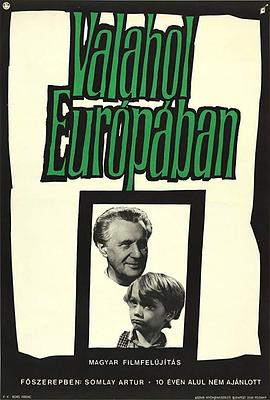
欧洲的某个地方
32
1.0
已完结
欧洲的某个地方
1.0
更新时间:06月29日
主演:Artúr Somlay,Miklós Gábor,Zsuzsa Bánki
简介:Somewhere in the remote region, the war ends. In the midst of ruined cities and houses in the streets, in rural hamlets, everywhere where people still live, are children who have lost their homes and parents. Abandoned, hungry, and in rags, defenseless and humiliated, they wander through the world. Hunger drives them. Little streams of orphans merge into a river which rushes forward and submerges everything in its path. The children do not know any feeling; they know only the world of their enemies. They fight, steal, struggle for a mouthful of food, and violence is merely a means to get it. A gang led by Cahoun finds a refuge in an abandoned castle and encounters an old composer who has voluntarily retired into solitude from a world of hatred, treason, and crime. How can they find a common ground, how can they become mutual friends The castle becomes their hiding place but possibly it will also be their first home which they may organize and must defend. But even for this, the price will be very high.  To this simple story, the journalist, writer, poet, scriptwriter, movie director, and film theoretician Béla Balázs applied many years of experience. He and the director Géza Radványi created a work which opened a new postwar chapter in Hungarian film. Surprisingly, this film has not lost any of its impact over the years, especially on a profound philosophical level. That is to say, it is not merely a movie about war; it is not important in what location and in what period of time it takes place. It is a story outside of time about the joyless fate of children who pay dearly for the cruel war games of adults.  At the time it was premiered, the movie was enthusiastically received by the critics. The main roles were taken by streetwise boys of a children's group who created their roles improvisationally in close contact with a few professional actors, and in the children's acting their own fresh experience of war's turmoil appears to be reflected. At the same time, their performance fits admirably into the mosaic of a very complex movie language. Balázs's influence revealed itself, above all, in the introductory sequences an air raid on an amusement park, seen in a montage of dramatic situations evoking the last spasms of war, where, undoubtedly, we discern the influence of classical Soviet cinematography. Shooting, the boy's escape, the locomotive's wheels, the shadows of soldiers with submachine guns, the sound of a whistle—the images are linked together in abrupt sequences in which varying shots and expressive sharp sounds are emphasized. A perfectly planned screenplay avoided all elements of sentimentality, time-worn stereotypes of wronged children, romanticism and cheap simplification. The authors succeeded in bridging the perilous dramatic abyss of the metamorphosis of a children's community. Their telling of the story (the scene of pillaging, the assault on the castle, etc) independently introduced some neorealist elements which, at that time, were being propagated in Italy by De Sica, Rossellini, and other film artists. The rebukes of contemporary critics, who called attention to formalism for its own sake have been forgotten. The masterly art of cameraman Barnabás Hegyi gives vitality to the poetic images. His angle shots of the children, his composition of scenes in the castle interior, are a living document of the times, and underline the atmosphere and the characters of the protagonists. The success of the picture was also enhanced by the musical art of composer Dénes Buday who, in tense situations, inserted the theme of the Marseilaise into the movie's structure, as a motive of community unification, as an expression of friendship and the possibility of understanding.  Valahol Europaban is the first significant postwar Hungarian film. It originated in a relaxed atmosphere, replete with joy and euphoria, and it includes these elements in order to demonstrate the strength of humanism, tolerance, and friendship. It represents a general condemnation of war anywhere in the world, in any form.
665
1948
欧洲的某个地方
主演:Artúr Somlay,Miklós Gábor,Zsuzsa Bánki
首页
电影片
连续剧
综艺片
动漫片
18x